Pest Control for Houston's Political Buildings: Top Problems Examined
Posted on May 29, 2026
Houston's political buildings serve as the cornerstone of civic engagement and government operations throughout East Texas. From county courthouses to city halls, legislative offices to municipal centers, these structures house critical administrative functions that keep our communities running smoothly. However, these same buildings face persistent challenges from unwanted visitors of the six-legged and four-legged variety.
Political buildings present unique pest control challenges due to their high foot traffic, aging infrastructure, extended operating hours, and the sensitive nature of the work conducted within their walls. Understanding which pest species pose the greatest threats to these facilities is essential for maintaining safe, professional environments where public servants can focus on their important work.
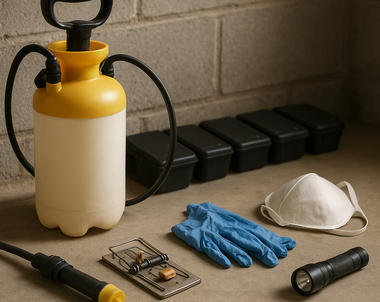 Government buildings in the Houston area face several factors that make them particularly attractive to pests. The constant flow of visitors tracking in potential pest hitchhikers, the presence of break rooms and cafeterias with food sources, and the often-historic nature of these structures with their aging foundations and utility penetrations all contribute to vulnerability.
Many political buildings in East Texas were constructed decades ago, featuring architectural elements that, while beautiful, create numerous entry points for pests. Ornate moldings, basement areas, expansive attics, and complex HVAC systems provide countless opportunities for pests to establish themselves undetected.
Additionally, the public nature of these buildings means that doors open and close hundreds of times daily, making it nearly impossible to maintain a completely sealed environment. This reality makes proactive pest management not just helpful, but absolutely essential.
Government buildings in the Houston area face several factors that make them particularly attractive to pests. The constant flow of visitors tracking in potential pest hitchhikers, the presence of break rooms and cafeterias with food sources, and the often-historic nature of these structures with their aging foundations and utility penetrations all contribute to vulnerability.
Many political buildings in East Texas were constructed decades ago, featuring architectural elements that, while beautiful, create numerous entry points for pests. Ornate moldings, basement areas, expansive attics, and complex HVAC systems provide countless opportunities for pests to establish themselves undetected.
Additionally, the public nature of these buildings means that doors open and close hundreds of times daily, making it nearly impossible to maintain a completely sealed environment. This reality makes proactive pest management not just helpful, but absolutely essential.
 Rodent infestations in political buildings create serious health and safety concerns. Both Norway rats and house mice are common throughout the Houston area, and they view government buildings as ideal habitats offering shelter, warmth, and food sources.
Rodents pose multiple threats to political facilities. They gnaw constantly to keep their ever-growing teeth manageable, which means they damage electrical wiring, insulation, important documents, and structural elements. The fire risk from damaged wiring alone makes rodent control a critical safety issue.
Beyond property damage, rodents contaminate surfaces with urine and droppings, potentially spreading diseases including Hantavirus, Leptospirosis, and Salmonellosis. For buildings that serve the public, maintaining a rodent-free environment is non-negotiable.
Rodent infestations in political buildings create serious health and safety concerns. Both Norway rats and house mice are common throughout the Houston area, and they view government buildings as ideal habitats offering shelter, warmth, and food sources.
Rodents pose multiple threats to political facilities. They gnaw constantly to keep their ever-growing teeth manageable, which means they damage electrical wiring, insulation, important documents, and structural elements. The fire risk from damaged wiring alone makes rodent control a critical safety issue.
Beyond property damage, rodents contaminate surfaces with urine and droppings, potentially spreading diseases including Hantavirus, Leptospirosis, and Salmonellosis. For buildings that serve the public, maintaining a rodent-free environment is non-negotiable.
Why Political Buildings Are Vulnerable to Pest Infestations
Government buildings in the Houston area face several factors that make them particularly attractive to pests. The constant flow of visitors tracking in potential pest hitchhikers, the presence of break rooms and cafeterias with food sources, and the often-historic nature of these structures with their aging foundations and utility penetrations all contribute to vulnerability.
Many political buildings in East Texas were constructed decades ago, featuring architectural elements that, while beautiful, create numerous entry points for pests. Ornate moldings, basement areas, expansive attics, and complex HVAC systems provide countless opportunities for pests to establish themselves undetected.
Additionally, the public nature of these buildings means that doors open and close hundreds of times daily, making it nearly impossible to maintain a completely sealed environment. This reality makes proactive pest management not just helpful, but absolutely essential.
Top Pest Species Threatening Houston's Government Facilities
German Cockroaches
German cockroaches represent the most common and problematic pest species in Houston's political buildings. These small, tan-colored insects thrive in warm, humid environments—conditions that perfectly describe East Texas for much of the year. These roaches are particularly drawn to break rooms, employee kitchens, and any areas where food is stored or consumed. A single female German cockroach can produce up to 400 offspring in her lifetime, meaning a small problem can quickly escalate into a full-blown infestation. The presence of cockroaches in government buildings poses serious concerns beyond mere aesthetics. These pests carry bacteria including Salmonella and E. coli, trigger allergies and asthma, and create an unprofessional atmosphere that undermines public confidence.American Cockroaches
While German cockroaches dominate indoor spaces, American cockroaches—often called "palmetto bugs" in the South—present a different challenge. These larger roaches typically enter from outdoor areas, making their way through gaps around doors, windows, and utility lines. American cockroaches particularly favor basement areas, mechanical rooms, and spaces with plumbing fixtures. In older government buildings with extensive underground areas or crawl spaces, these pests can establish significant populations before detection.Rodents: Norway Rats and House Mice
Rodent infestations in political buildings create serious health and safety concerns. Both Norway rats and house mice are common throughout the Houston area, and they view government buildings as ideal habitats offering shelter, warmth, and food sources.
Rodents pose multiple threats to political facilities. They gnaw constantly to keep their ever-growing teeth manageable, which means they damage electrical wiring, insulation, important documents, and structural elements. The fire risk from damaged wiring alone makes rodent control a critical safety issue.
Beyond property damage, rodents contaminate surfaces with urine and droppings, potentially spreading diseases including Hantavirus, Leptospirosis, and Salmonellosis. For buildings that serve the public, maintaining a rodent-free environment is non-negotiable.
Ants: Fire Ants and Carpenter Ants
The Houston region is notorious for its aggressive fire ant populations, and these stinging insects frequently establish colonies near building foundations, in landscaping, and even within wall voids. For political buildings with outdoor gathering spaces, fire ants present both a nuisance and a liability concern. Carpenter ants, while less aggressive than their fire ant cousins, pose a different threat. These large black ants excavate wood to create their nests, potentially compromising structural integrity over time. In historic government buildings with extensive woodwork, carpenter ant activity requires immediate attention.Integrated Pest Management for Government Facilities
Effective pest management in political buildings requires a comprehensive approach that goes beyond simply responding to infestations. Professional pest control in Houston emphasizes integrated pest management (IPM) strategies that combine prevention, monitoring, and targeted treatment. The IPM approach begins with thorough inspections to identify current pest activity, conducive conditions, and potential entry points. This assessment phase is critical for developing a customized management plan that addresses the specific challenges of each facility.Prevention Strategies
Preventing pest problems is always more effective and cost-efficient than treating established infestations. Key prevention measures for political buildings include:- Sealing cracks and gaps around foundations, windows, doors, and utility penetrations
- Installing door sweeps and weather stripping on exterior doors
- Maintaining proper sanitation in break rooms, cafeterias, and common areas
- Storing food in sealed containers and promptly addressing spills
- Eliminating moisture issues that attract pests
- Maintaining landscaping to reduce pest harborage near the building
- Implementing proper waste management with sealed containers and regular removal